Art
Signed prints, original works, gallery labels still taped to the back of the frame.
✳ Black material culture, found
We scan estate sales across the country for Black art, books, music, ephemera, HBCU and D9 history, fashion, photography and material culture so you don't have to.
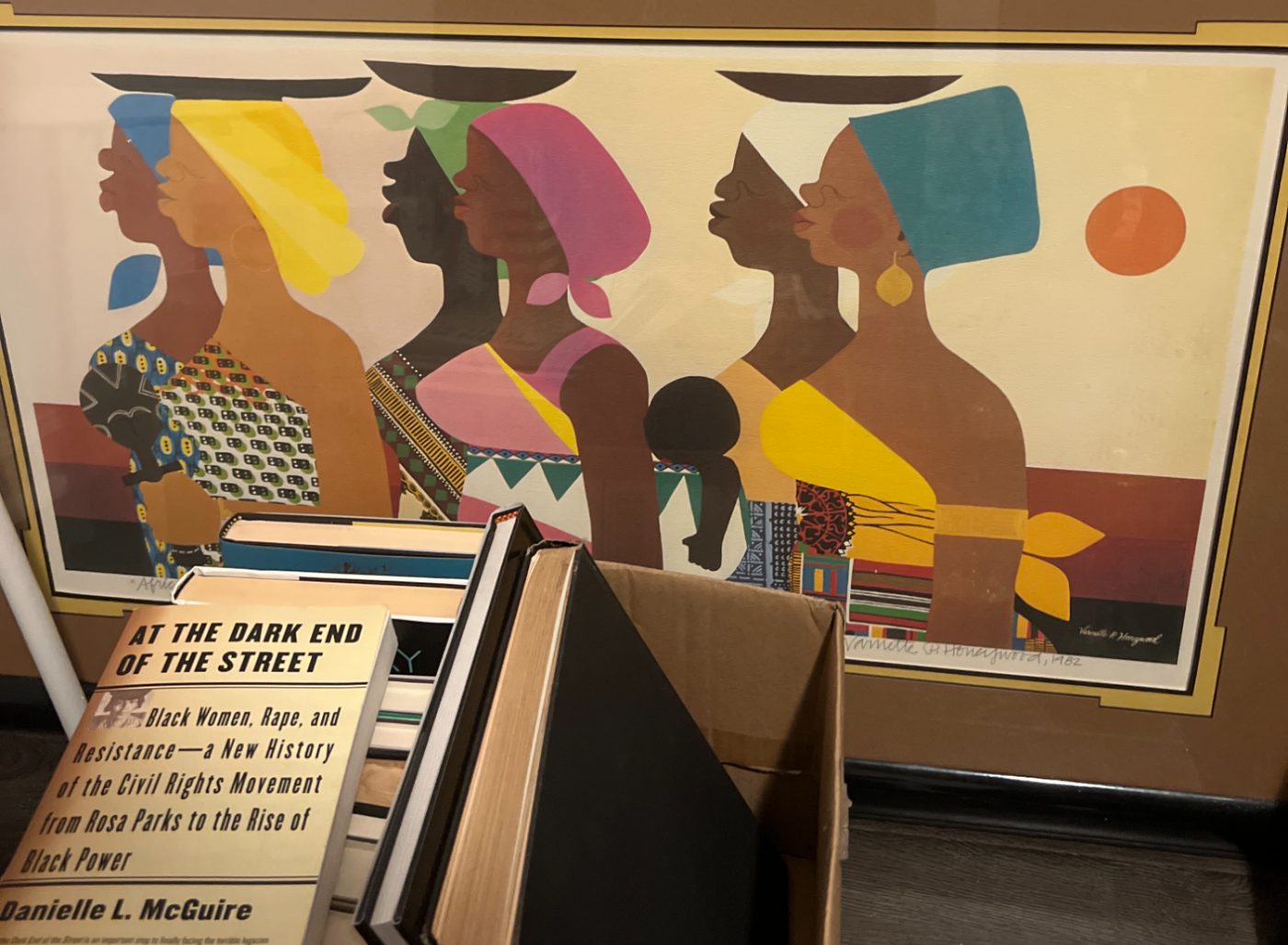

Safekeeping looks beyond the furniture and price tags. We zoom into bookshelves, read record covers, inspect art on the walls and notice the yearbook hiding in photo 47. We are looking for Black cultural material our community would want to know still exists.
Editorial curation ✳ not a marketplace
Side A ✳ What we're looking for
A vintage shopper sees a dining set. We see the shelf behind it. These ten are what we catch in a listing's forty-eighth photograph.
Signed prints, original works, gallery labels still taped to the back of the frame.
First editions, inscriptions, marginalia, and the library card left in the pocket.
Soul, jazz, gospel and go-go. Liner notes, promo pressings, handwritten labels.
Yearbooks, homecoming programs, pennants, alumni letters, band arrangements.
Chapter records, paraphernalia, convention programs, jackets and pins.
Furs and hats, salon equipment, counter compacts, brown liner and gloss.
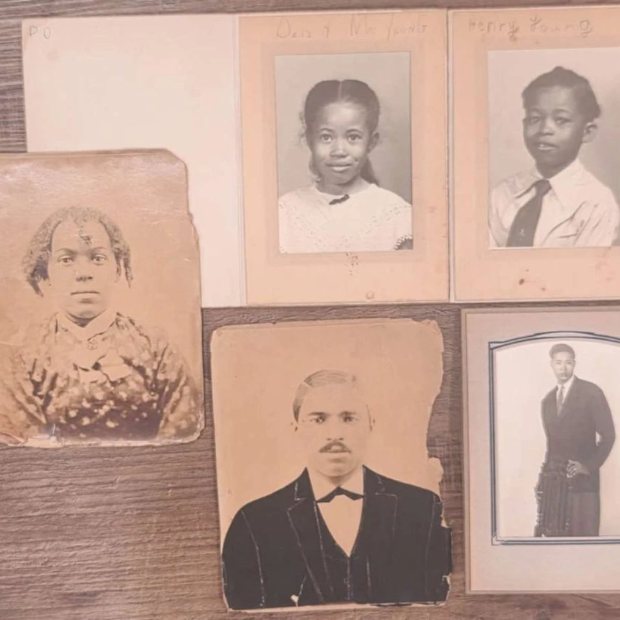
Studio portraits, church directories, negatives, reunion and graduation albums.
Anniversary books, programs, choir material, club minutes, funeral fans.
Textiles, carving, brass, beadwork, and the paperwork of how it arrived.
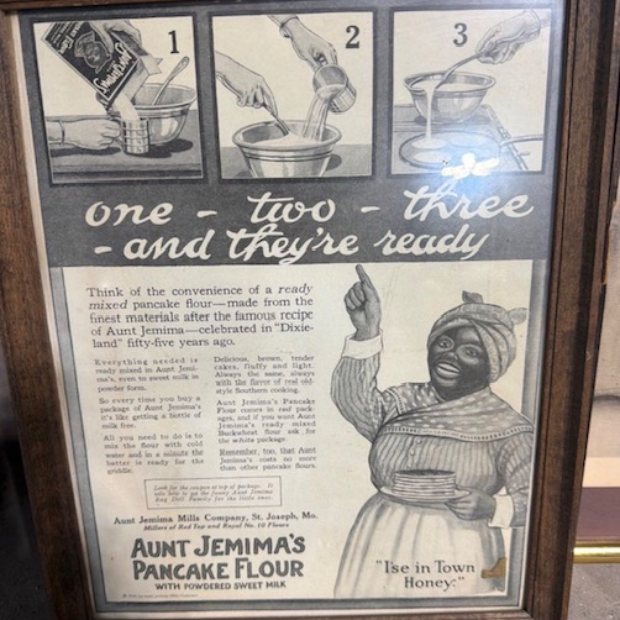
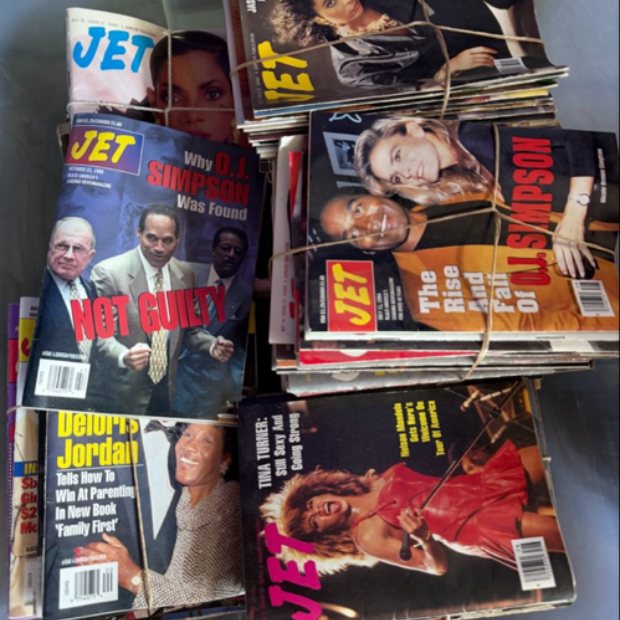
Runs of Black periodicals, playbills, matchbooks, receipts, correspondence.
"Is there Black cultural material here our community would want to know exists?"
✳ The only question we ask
The new Rundown is out
New
Out now on Substack
Thu
New issue every week
US
Sales we scan, nationwide
10
Categories we read for
✳ Cities we scan every week
Plus standout sales from anywhere in the US. New cities are added based on paid subscribers, up to 10 total.
Don't see your city? Subscribe, then message us your city →Side B ✳ The Rundown
Every Thursday we scan estate sale and auction listings and curate the ones holding Black cultural material worth a closer look, with a note on exactly what caught our eye.
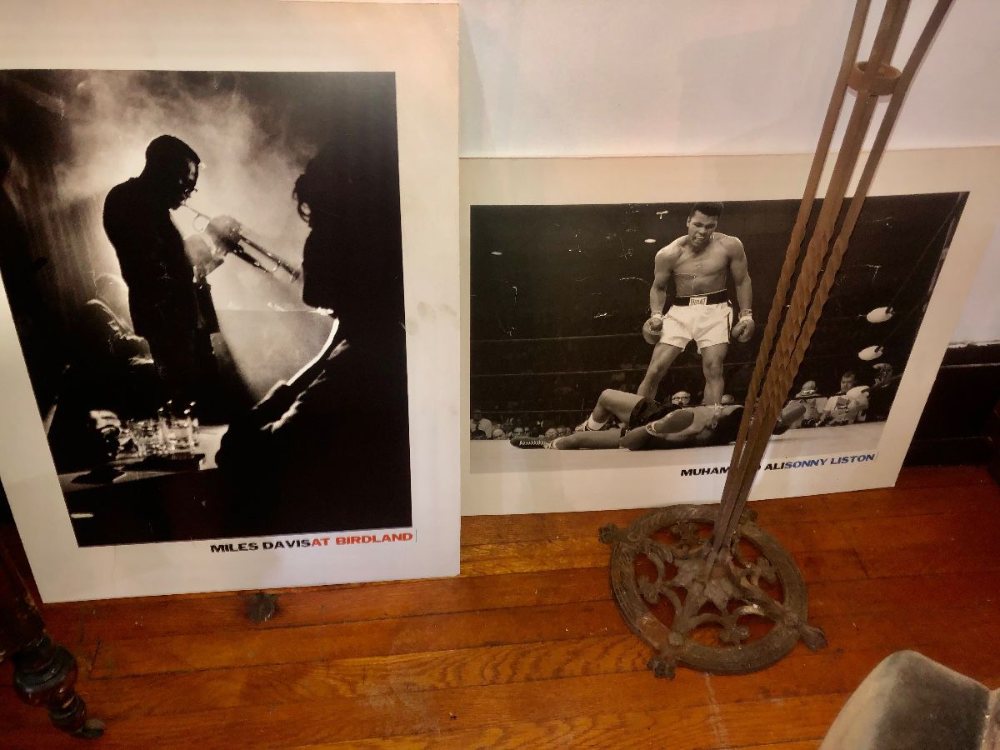
Living estate of Jae + Wadsworth Jarrell
Why it made the Rundown
Our eye is on
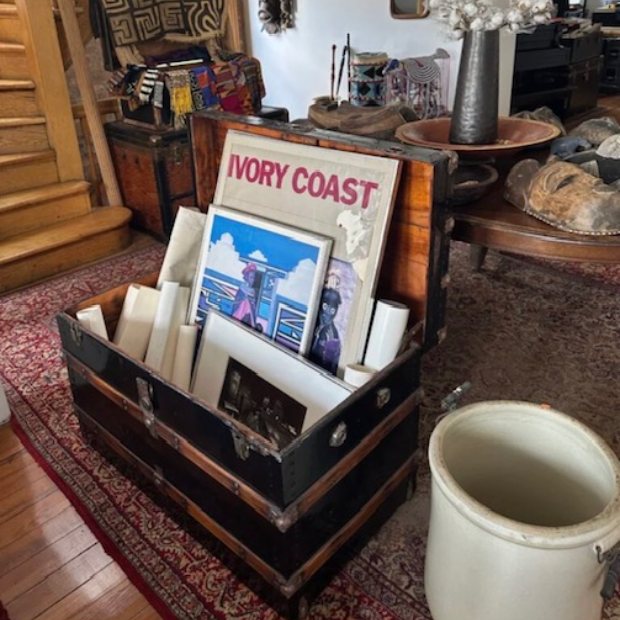
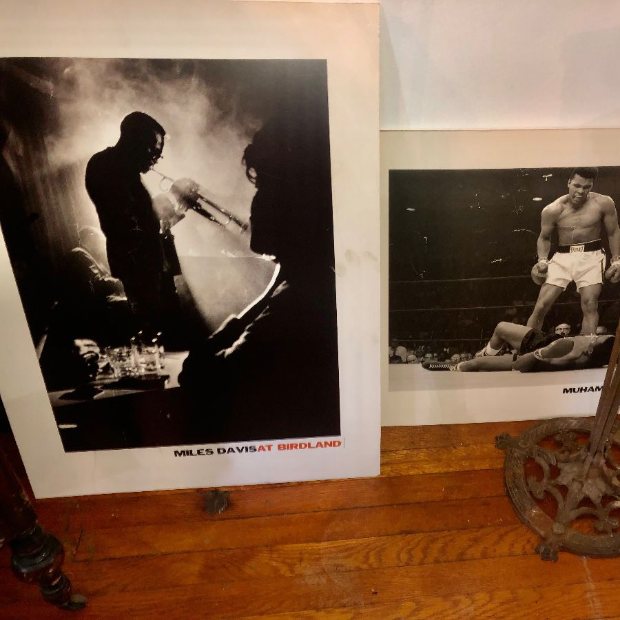
The two posters on the floor. Two artists who built a Black art movement lived with Miles and Ali.
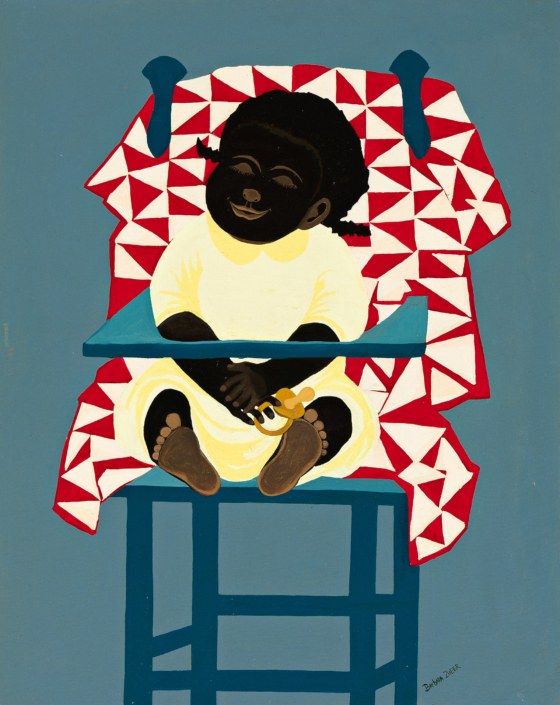
African American Art · 20th anniversary sale
Why it made the Rundown
Our eye is on
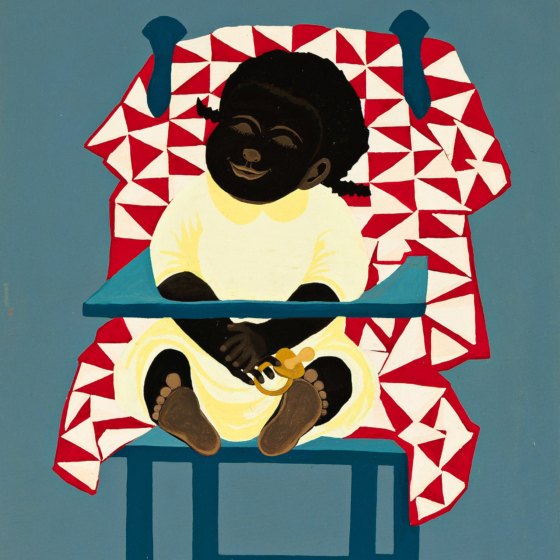
The quilt on the high chair. Somebody in that house made it, and somebody painted it so you would know.
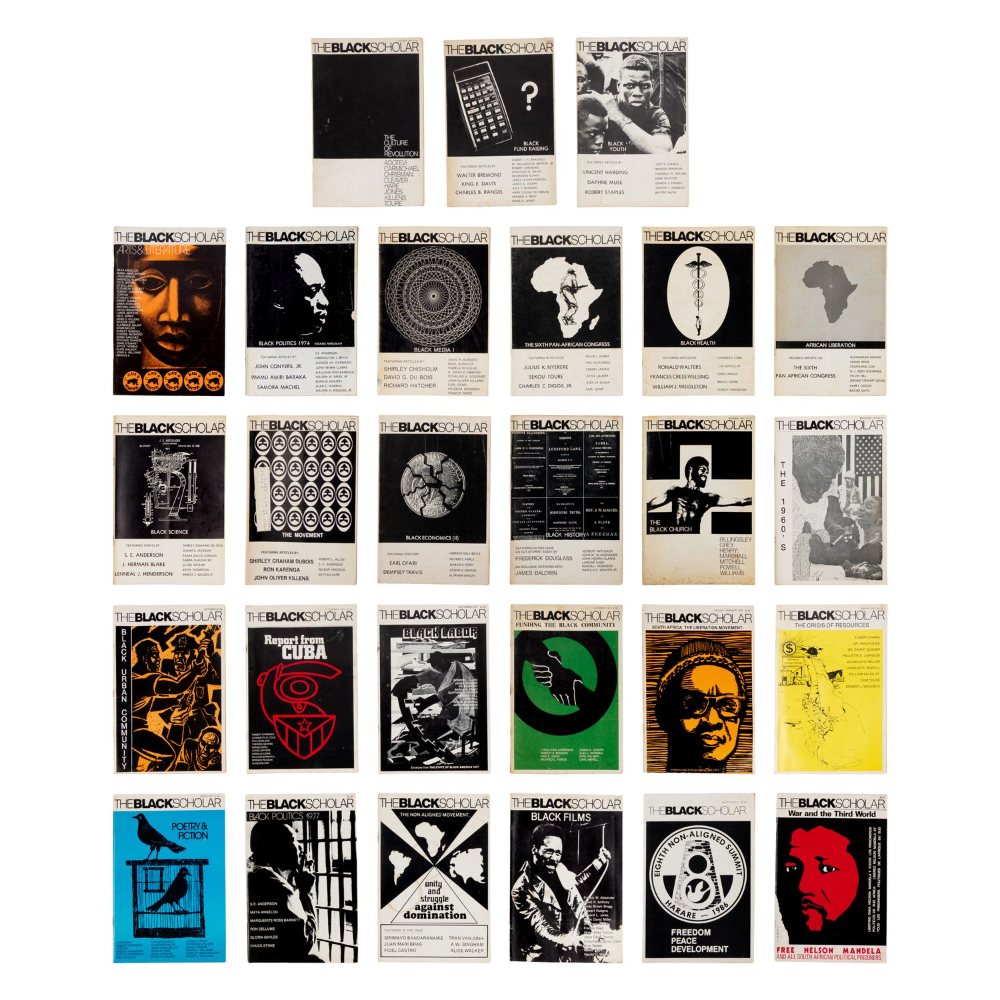
Online auction · est. $300–400
Why it made the Rundown
Our eye is on
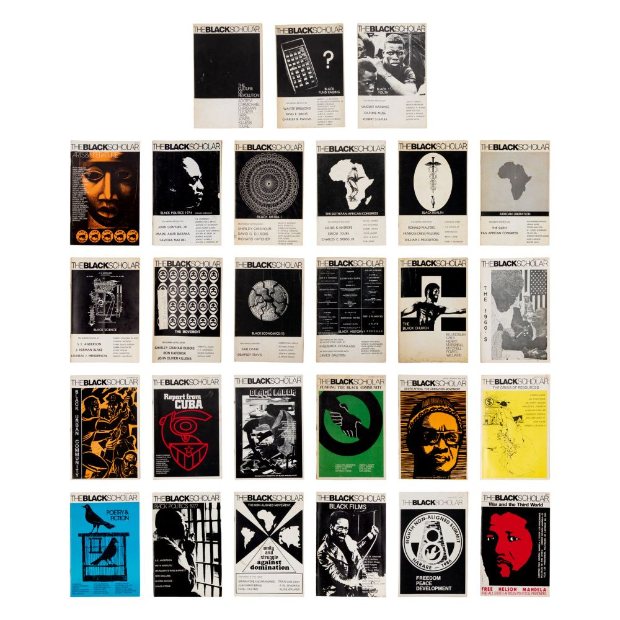
November 1969. The first year of a journal that existed because students went on strike for it.
Three examples from past Rundowns. The full Rundown covers many more sales across the country and lands with paid subscribers every Thursday on Substack.
✳ Paid subscription · new issue every Thursday
$8
A month
$80
A year · save $16
$180
Founding member
Free subscribers get the finds and the stories behind them.
Paid subscribers get The Rundown, the full weekly curation, every Thursday.
Side C ✳ The Shop
When we find two of something, one stays in safekeeping and one comes here. One copy each. When it’s gone, it’s gone.
✳ Recently spotted
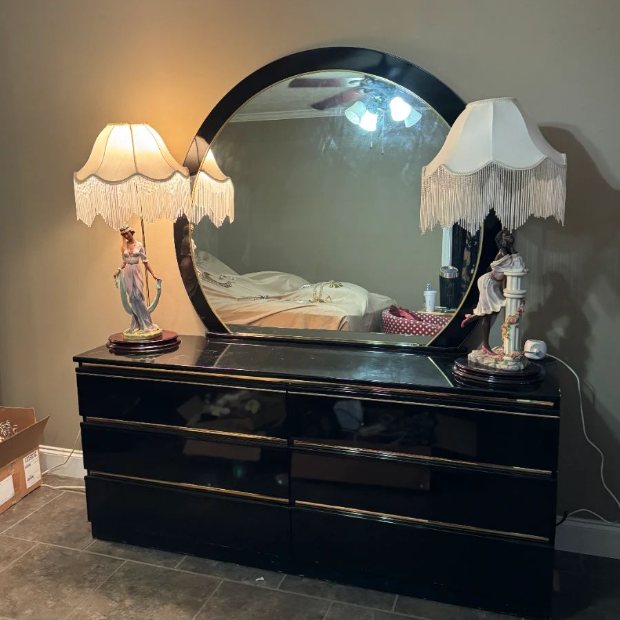
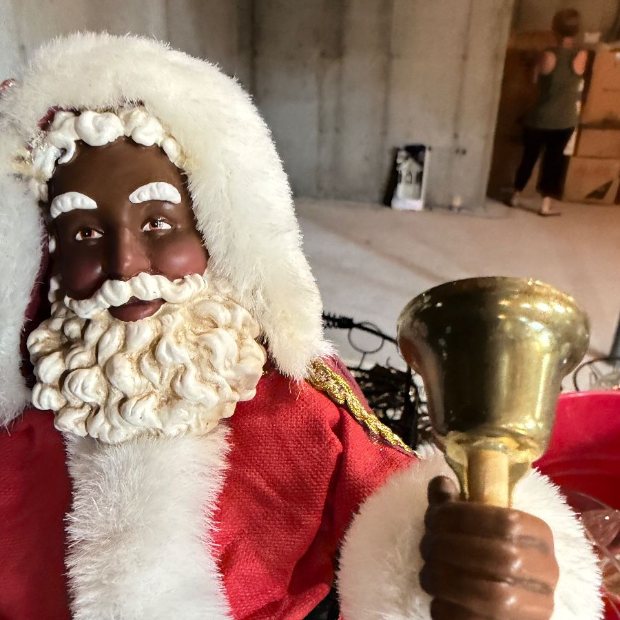
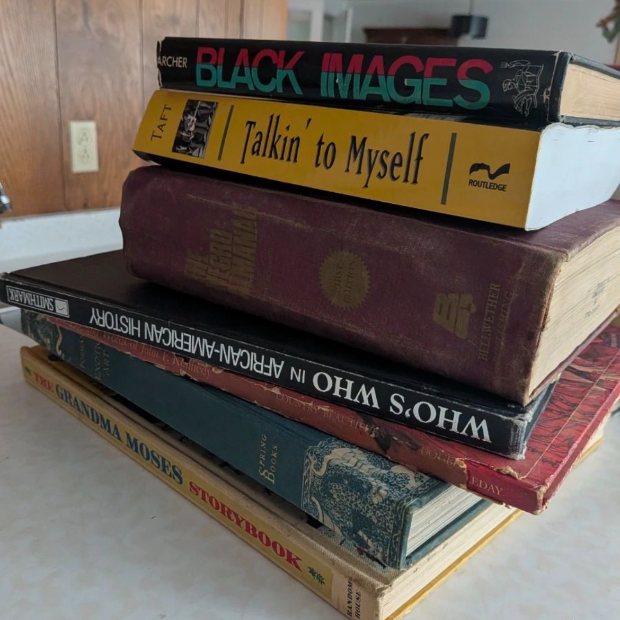
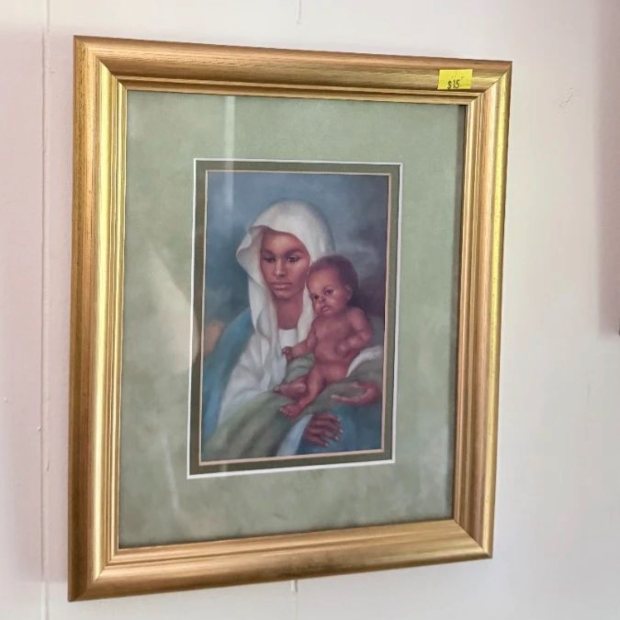
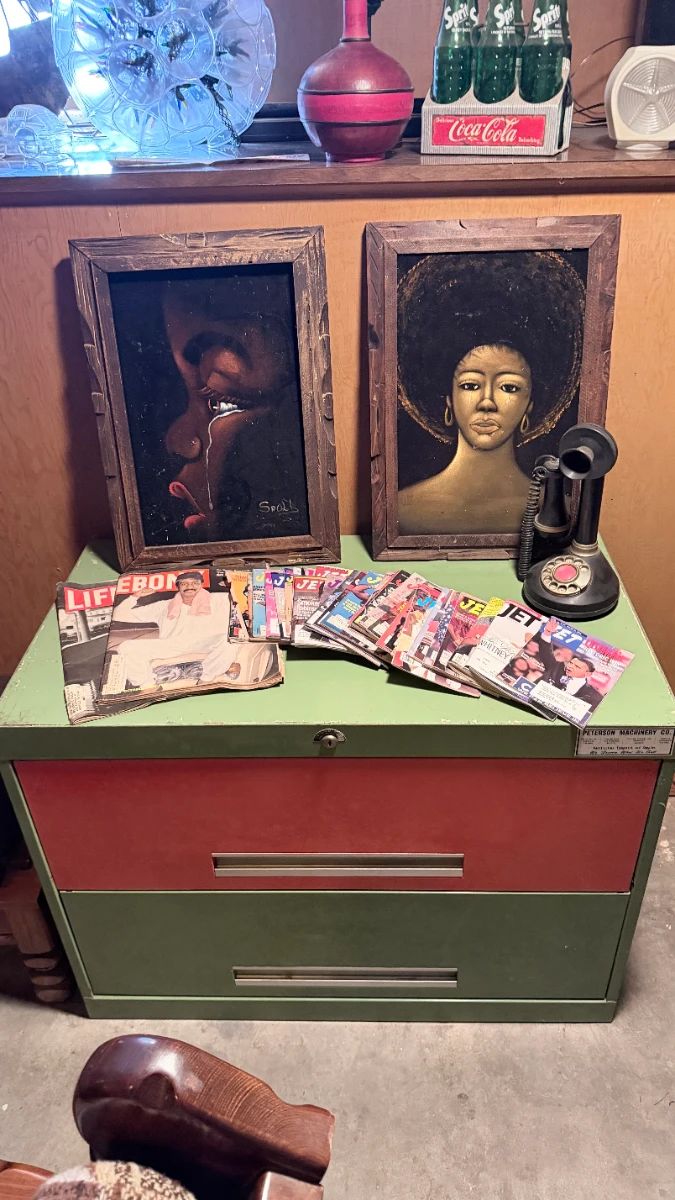
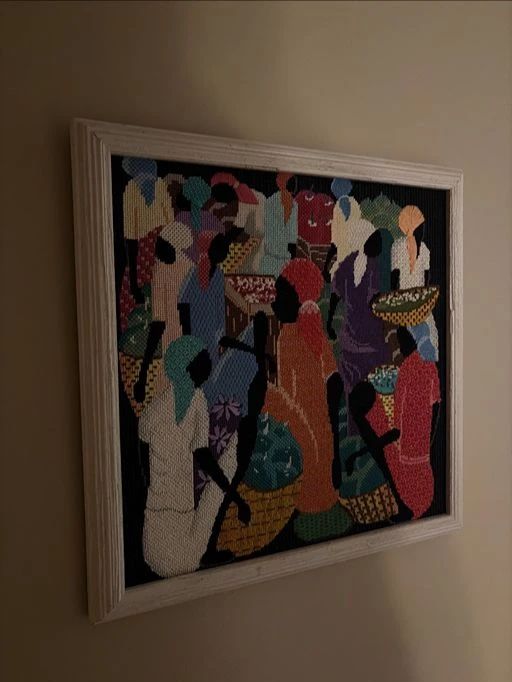
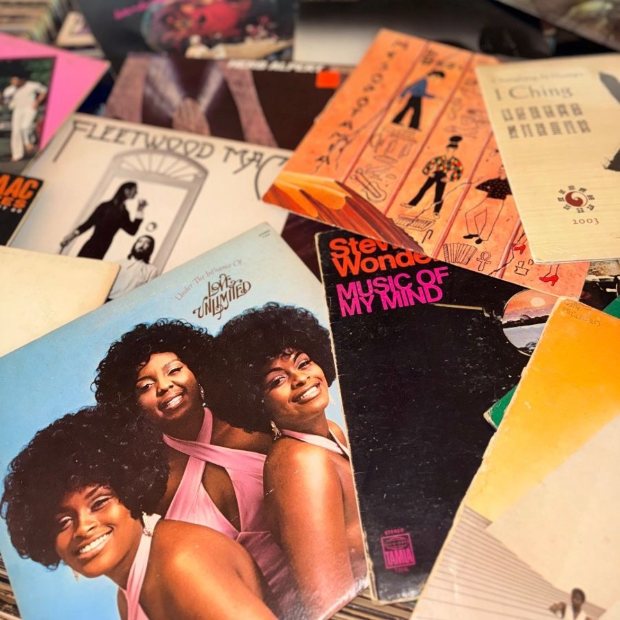
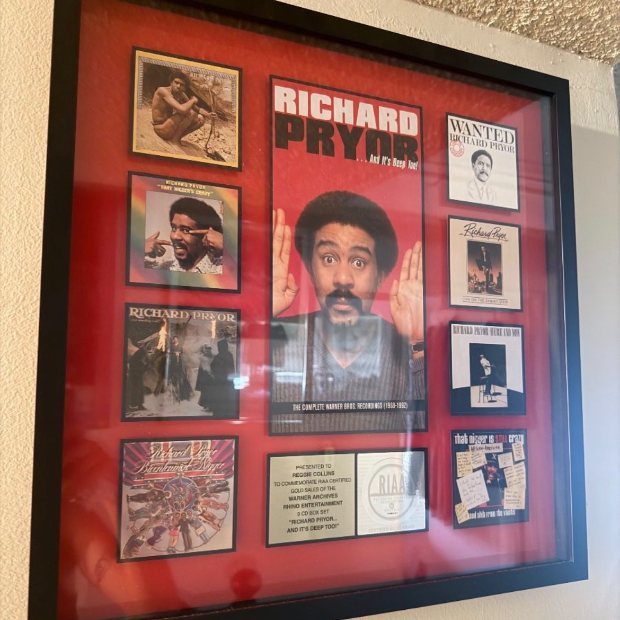
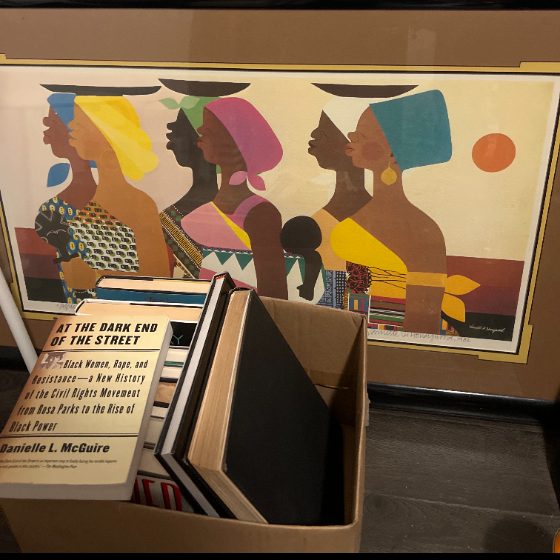
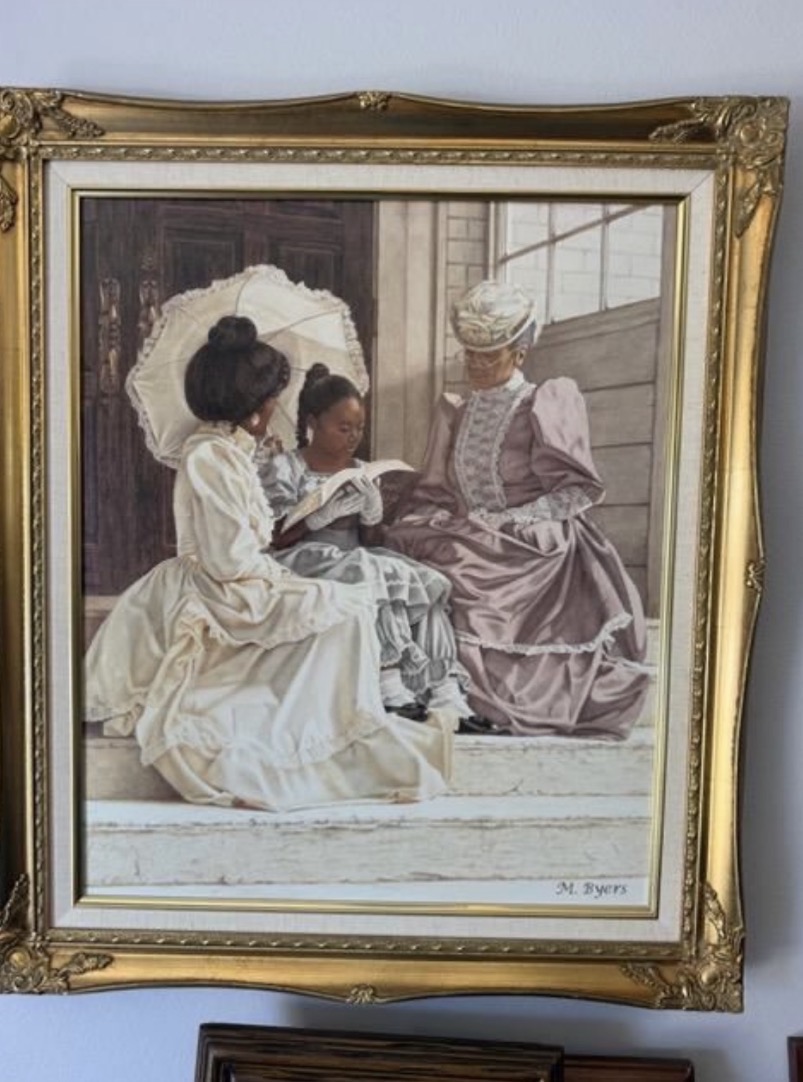
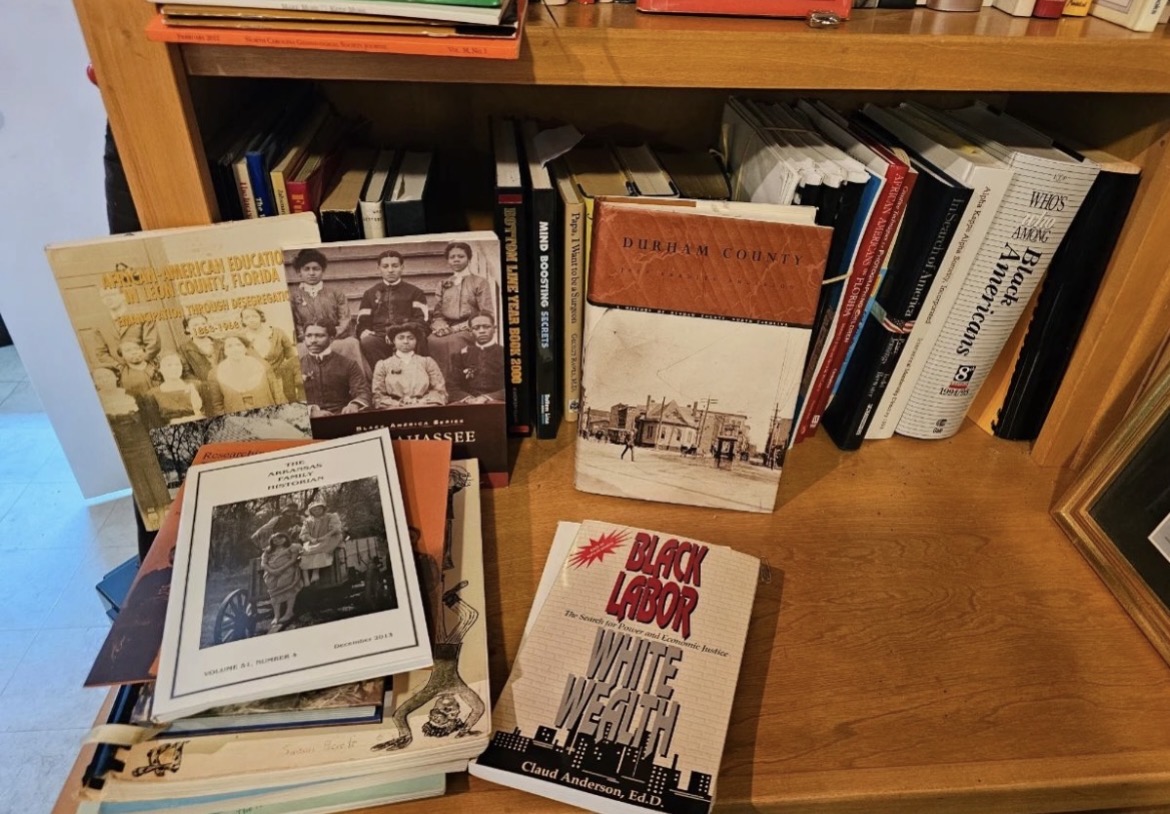
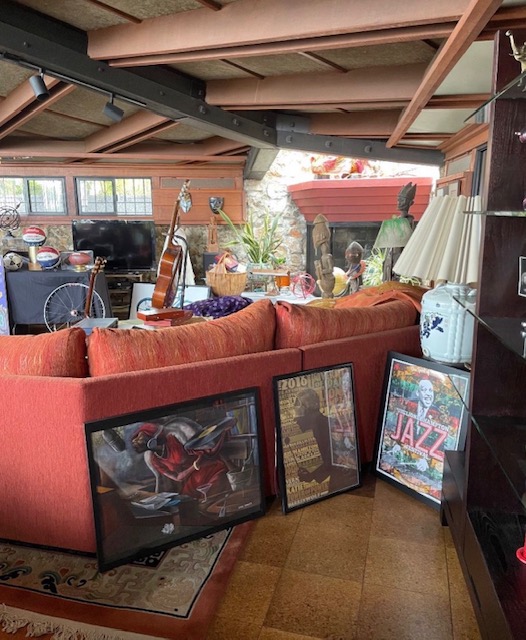
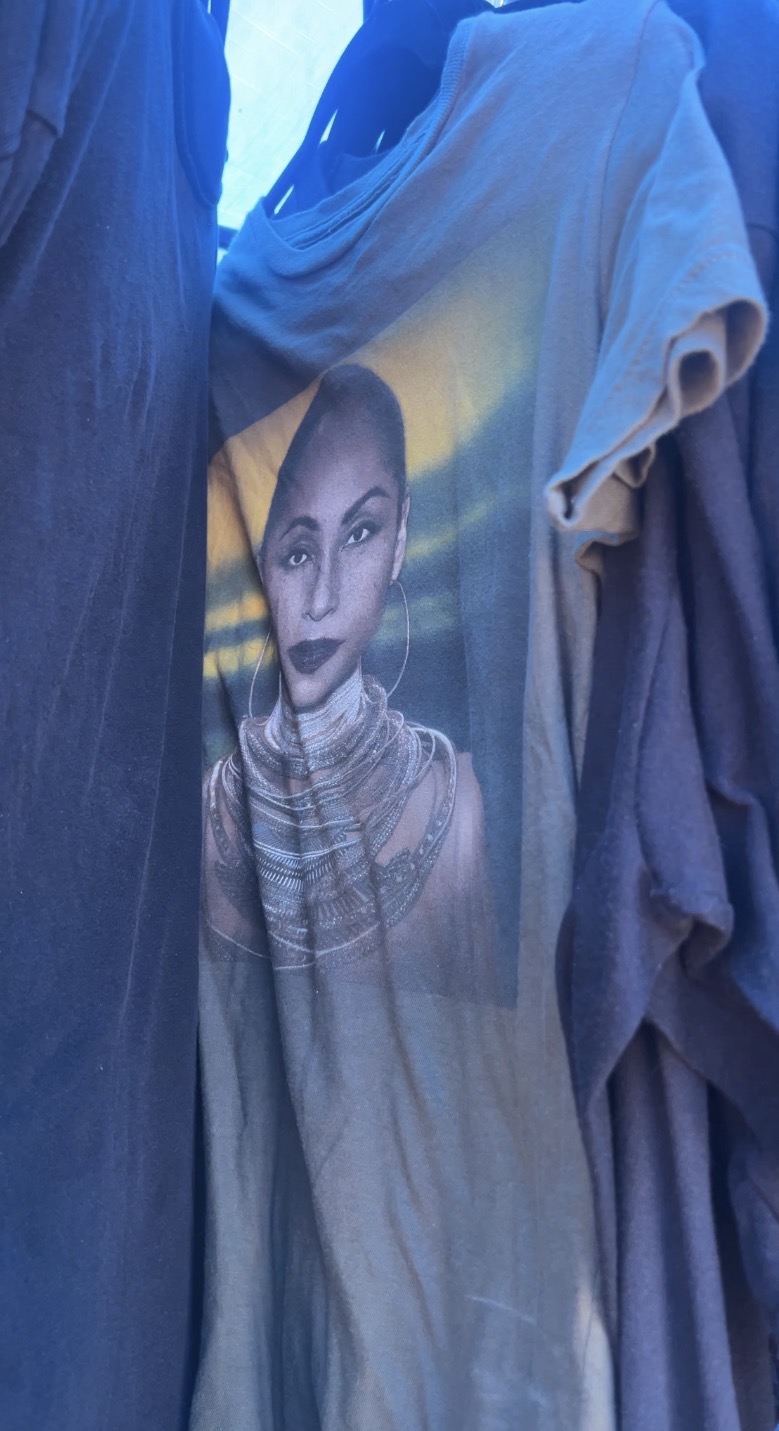
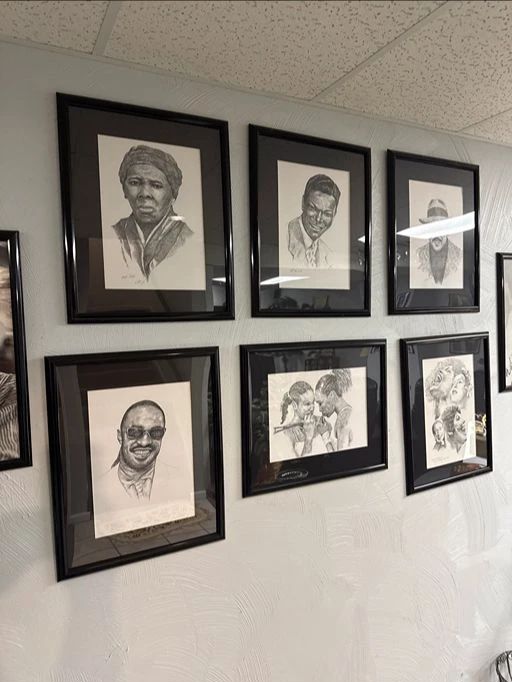
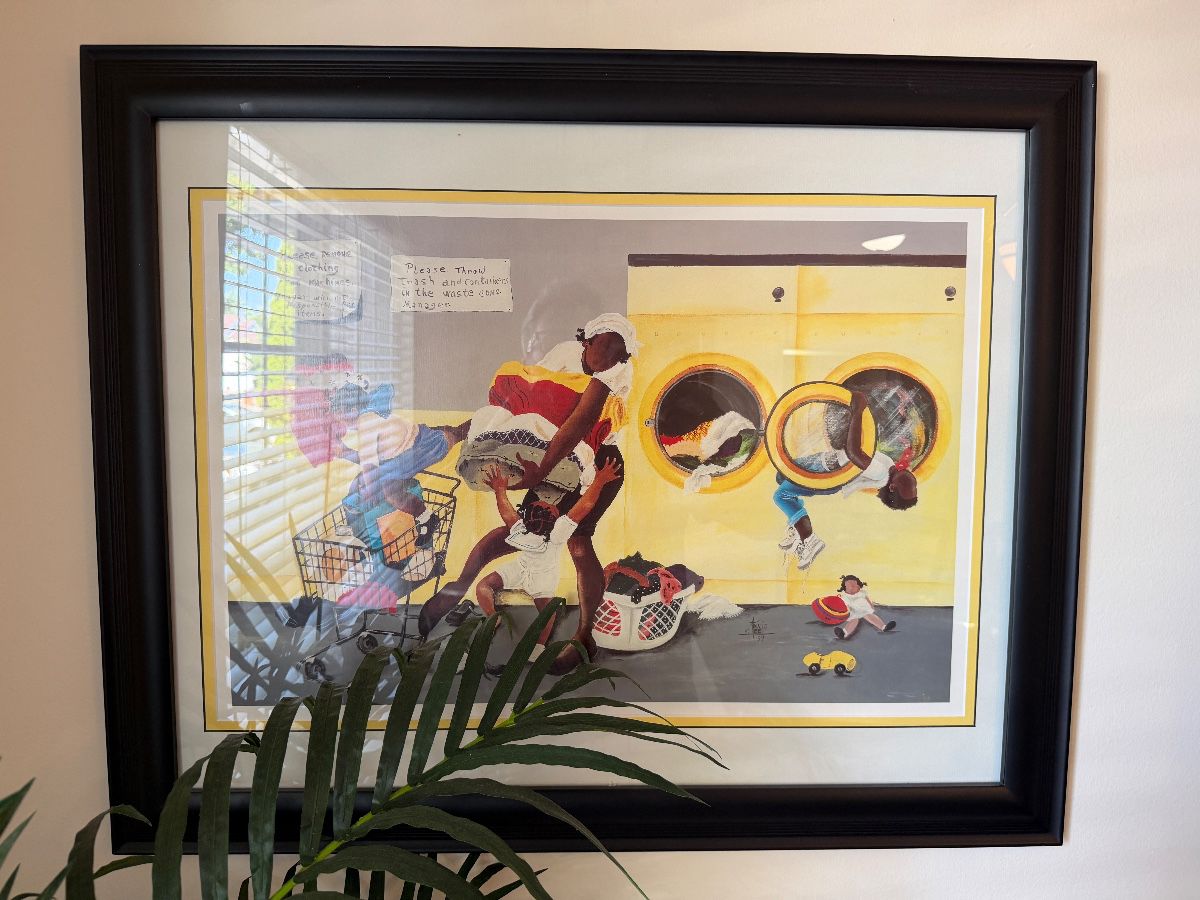
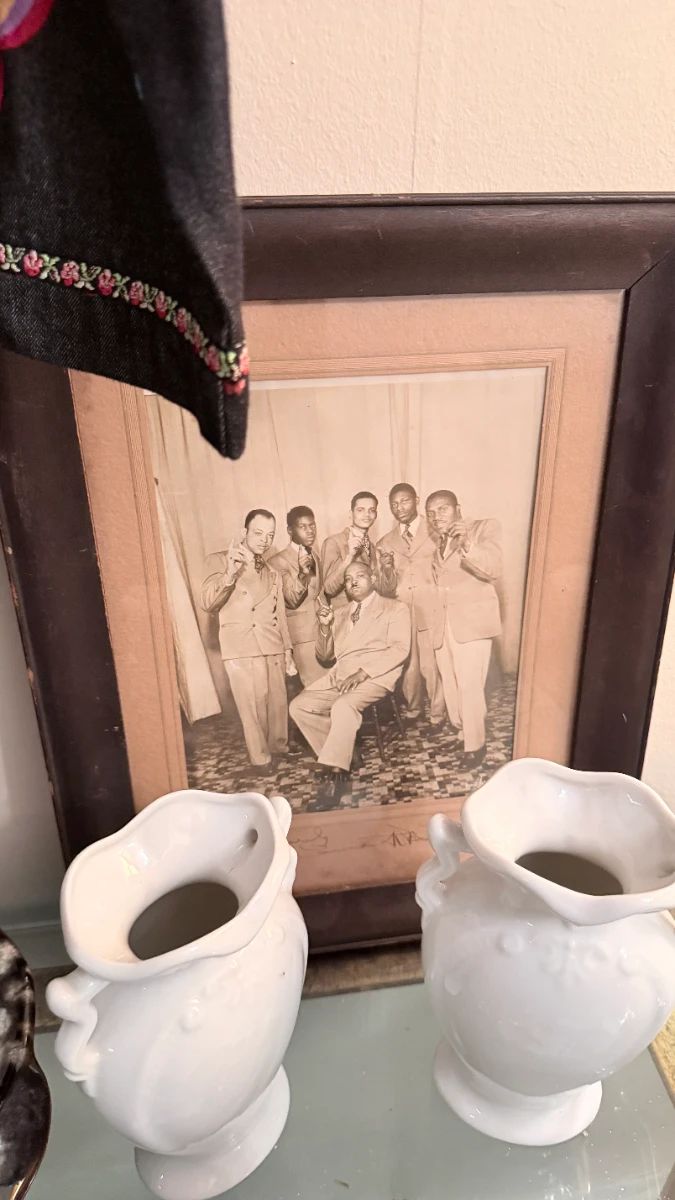
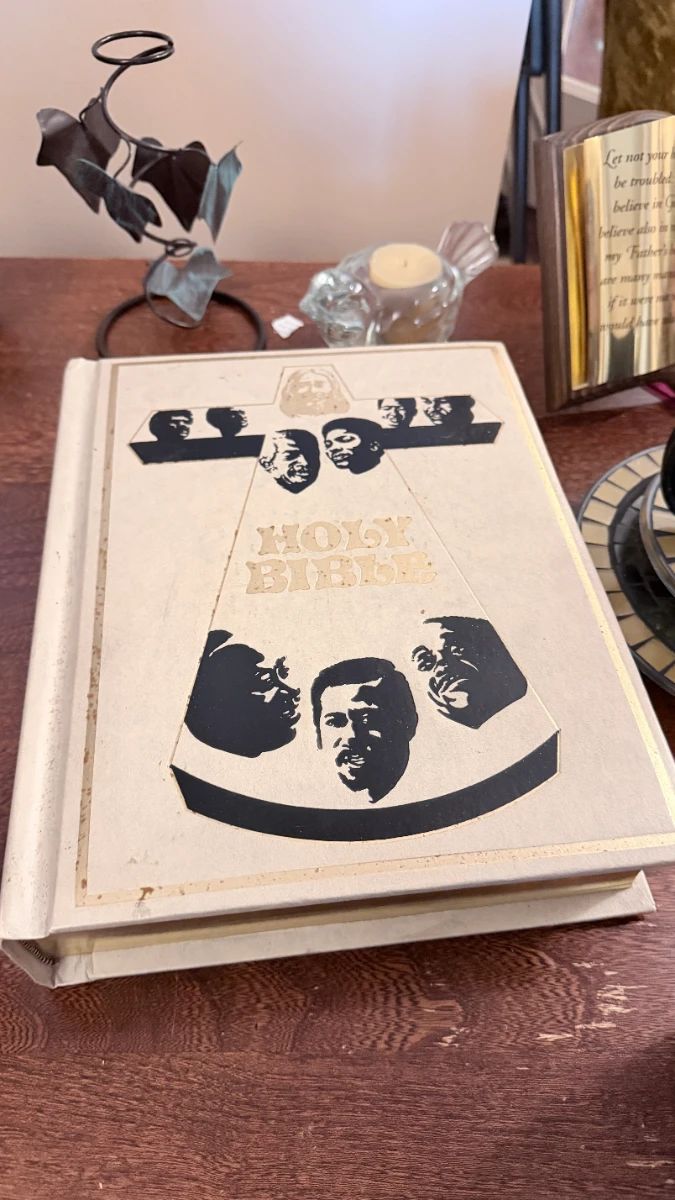
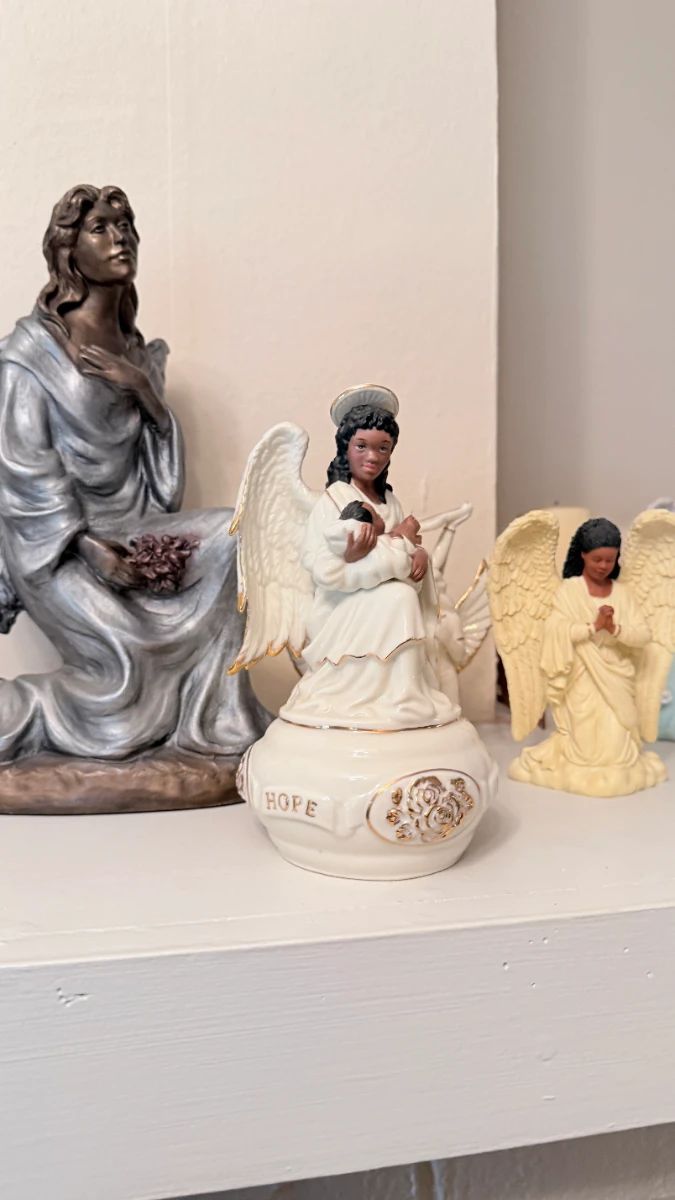
Tell us where you are and what catches your eye. This is how we decide which cities Safekeeping scans first.
📟 You're on.
"When The Rundown reaches your city, you'll hear about it."
While you wait
Read Safekeeping on Substack✳ Free · always
Safekeeping cannot personally rescue every culturally significant thing that surfaces. So when something needs more eyes on it, we put the word out.
Keep it in the family 📟
1964 Howard yearbook spotted in an online estate auction. Ends Sunday.
✳ Community submission
A listing, an auction lot, a single object. Send us the link and tell us what you spotted. We will take the closer look.
Submitting does not guarantee editorial coverage or inclusion in The Rundown.
✳ Research series
The find is often only the beginning. Black Paper Trail follows an object, document, book, photograph or piece of ephemera into the history surrounding it.
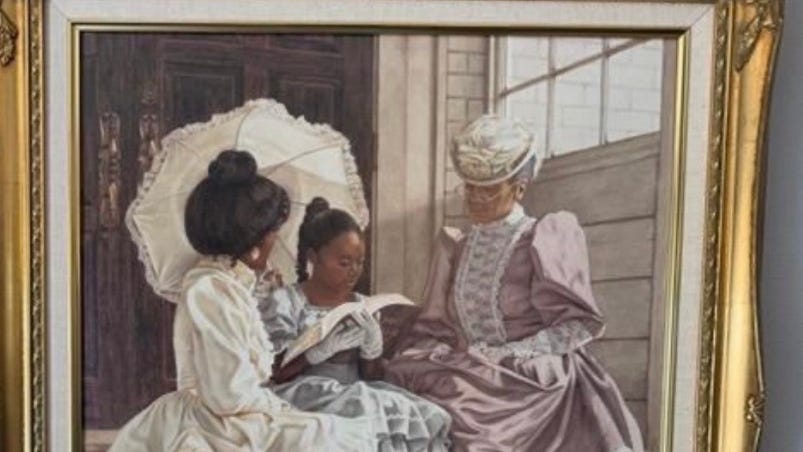
The funny thing is that a year ago, I wasn't an estate sale person.
Read on Substack →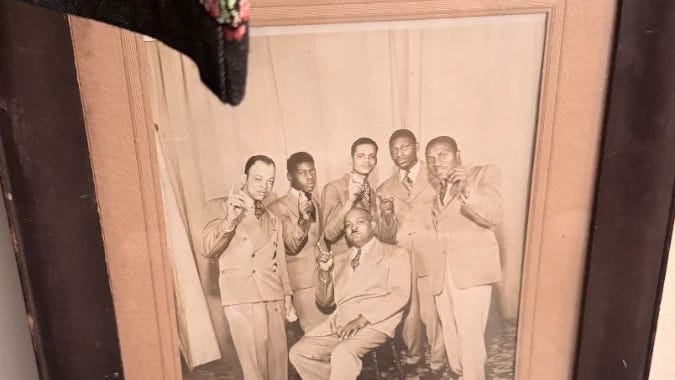
One of the strangest things about looking through estate sale listings is how quickly a house can start to feel familiar.
Read on Substack →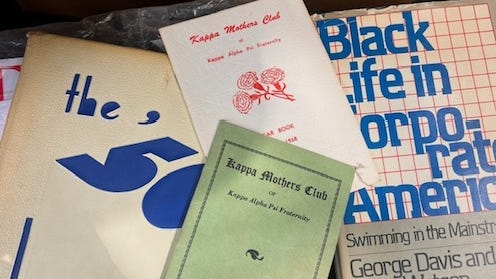
I bought a 1950 Hampton yearbook because I was excited to find an old HBCU yearbook.
Read on Substack →✳ Cultural Custody
Coming soon · free + public
Most of what survives was never accessioned. It stayed in a hall closet, a cedar chest, a garage. Cultural Custody will record what exists and where its meaning lives, without asking anyone to give anything up. The first experiment will likely focus on HBCU yearbooks and other paper records.
Preservation doesn't require possession.
Where this came from: The Yearbook That Changed How I Think About Keeping History
✳ About
Safekeeping exists to recognize, research and surface Black material culture as it moves from private hands into the wider world.
We are not an estate-sale company and we do not sell what we find. We read listings the way a curator reads a room, and we tell our community what is there. History is not behind glass here. It is present tense, moving through hands, and worth knowing about while it moves.
Some things belong to a family. Their meaning can belong to a culture.